Table of contents
Micro-adventures used to mean squeezing a hike into a lunch break, or taking the “scenic route” home on purpose, but in 2026 they have become something bigger, a quiet correction to years of over-planned, over-shared travel, and a response to the cost-of-living reality reshaping holidays across Europe. Search trends still point to a simple desire: shorter breaks, more nature, and neighbourhood-level discovery, often stitched together into city trips that feel personal rather than packaged. The point is not to go far, it is to go deep, and to come back with stories that sound like yours.
Forget the checklist, chase the side street
It starts with a decision most travellers rarely make: leave room to get lost. Big cities reward the disciplined visitor with museums, viewpoints, and “must-eats”, yet they reward the curious visitor with something harder to price, a sense of belonging earned in small exchanges. Micro-adventure is that pivot, the choice to spend an hour following the sound of a market before you even know its name, or to cross a bridge simply because the light looks different on the other side, and to treat the unplanned as the main event rather than a gap between bookings.
In practice, the best side-street days share the same ingredients: an early start, a loose radius, and one anchor point that keeps the day from drifting. That anchor can be architectural, culinary, or cultural, but it should be reachable on foot so the city’s texture does the work. Neighbourhood exploration is also where budgets stretch, because local bakeries, corner bars, and small galleries tend to cost less than the headline stops, and you avoid the time tax of long transfers. For travellers trying to balance inflation-era prices with the urge to go, micro-adventures are not a compromise; they are a strategy, turning a weekend into a tapestry of moments rather than a queue of landmarks.
There is also a data-backed reality behind the romance: overtourism is pushing travellers away from hotspots at peak hours, and toward early mornings, shoulder seasons, and lesser-known districts. Cities have responded with timed entries, traffic restrictions, and crowd-management measures, and visitors have adapted by building itineraries that zig when the masses zag. The side street becomes a form of travel literacy, a way to read a place without competing for it, and it can be as simple as taking public stairs instead of a lift, or walking the long way to dinner because the route passes a schoolyard, a florist, and a square that fills up as dusk arrives.
Panoramic hikes aren’t just for mountains
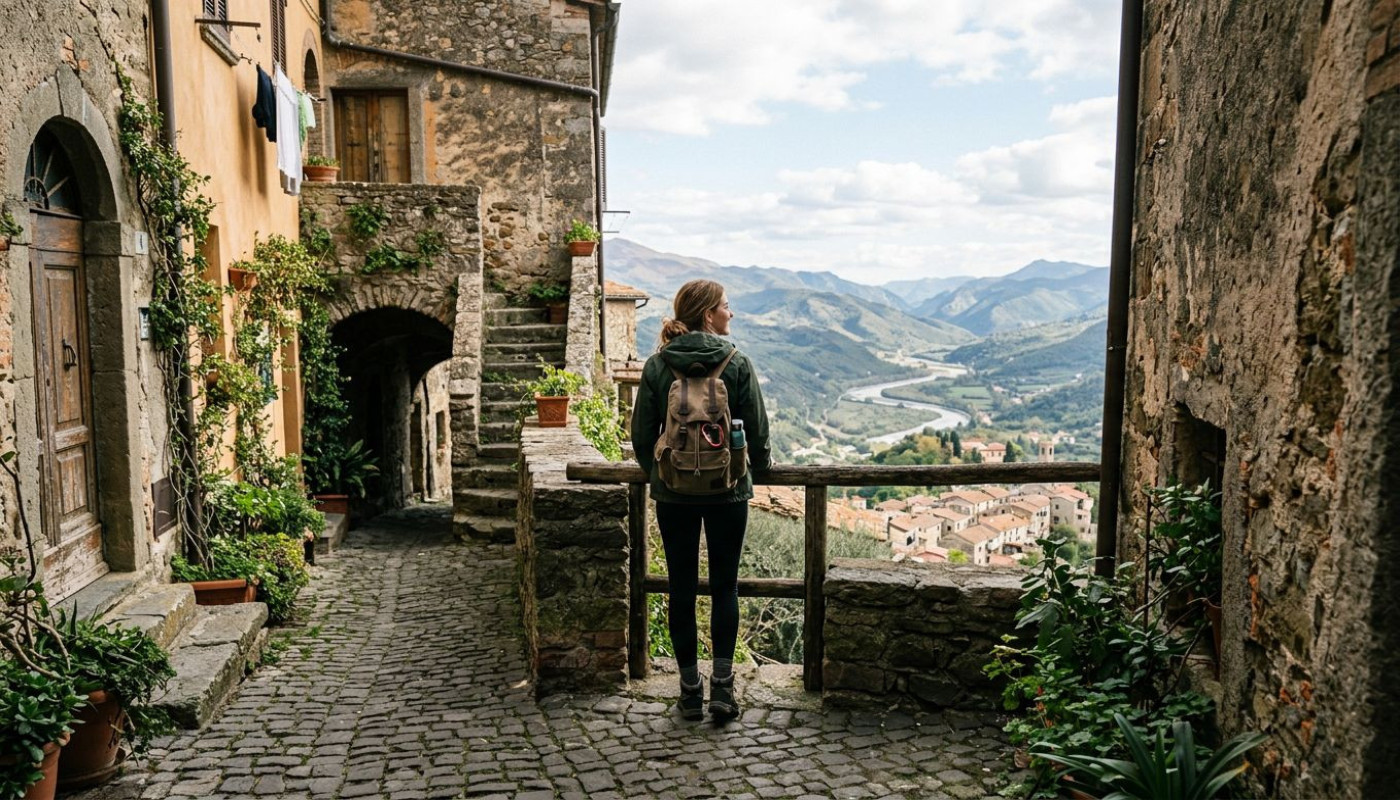
Here is the surprise many city-break regulars miss: panoramic hiking does not require a remote trailhead, and it does not need specialist kit. A growing number of urban areas now market their green belts, river paths, and ridgeline walks as part of the destination, not an add-on, and it makes sense, because a viewpoint earned on foot lands differently than one reached by taxi. The body calibrates the landscape, the distance gives you context, and the photograph becomes a by-product rather than the goal.
What counts as “panoramic” in an urban micro-adventure? Think of routes that climb in stages, weaving through neighbourhoods before they open up, or walks that follow a river until the skyline widens and the air changes. Even in dense capitals, parks and peri-urban trails can deliver that high-and-wide feeling, especially at sunrise or late afternoon when the city’s edges soften. For travellers, this is also a practical way to beat heat and crowds, because higher ground often brings a breeze, and longer loops pull you away from the most congested streets.
The planning is deliberately light, but not careless. Check the elevation, carry water, and treat weather as part of the itinerary, because a sudden downpour can turn a pleasant climb into a sprint for shelter. Look for routes that intersect public transport so you can bail out without stress, and if you are travelling with children or older relatives, split the hike into chapters with clear rest points, a café, a fountain, a shaded bench. The beauty of micro-adventure is that it scales, and a “panoramic hike” can be a two-hour loop with a single steep section, as long as the payoff is a view that makes you pause.
City breaks, reinvented by hyperlocal planning
The smartest micro-adventures often begin before you pack, with planning that is hyperlocal rather than generic. Traditional guidebooks still matter, but they are built for breadth, and micro-adventure thrives on specificity: which market is busiest on which morning, which street fills with families after school, which bakery sells out by noon, which park becomes a picnic theatre at golden hour. That kind of information is increasingly available through local calendars, neighbourhood publications, and itinerary builders that map a day by mood instead of by prestige.
This is where the traveller’s mindset changes from consumer to editor. You are not buying a “perfect day”; you are assembling a sequence of scenes that fit your pace, your budget, and your curiosity, and that includes the mundane details that shape enjoyment, such as walking time, shade, queue patterns, and where to sit when you need a pause. If you want a practical starting point to build that kind of trip, https://www.madrid-trip.com/ offers structured ideas that help turn a city break into a set of manageable, human-sized adventures, without forcing every hour into a rigid script.
The advantage of hyperlocal planning is that it protects spontaneity instead of killing it. When you know the broad strokes, you can improvise inside them, and the day stays flexible even if you add a detour. It also helps you travel more responsibly, because you can distribute your time and spending across districts, rather than concentrating it in the same postcard corridor. A café in a residential neighbourhood, a small museum with breathing room, a community market where locals actually shop; these choices can feel minor, yet multiplied across a weekend they change the relationship between visitor and city.
Small thrills, big memories, low carbon
Micro-adventure has another quiet appeal: it aligns pleasure with restraint. With aviation under scrutiny and rail networks expanding across Europe, travellers increasingly weigh the carbon cost of their choices, and micro-adventures naturally fit trips that rely on trains, buses, bikes, and walking. You can still experience intensity, novelty, and the sense of “getting away”, but you generate it through movement and attention rather than distance. That is not moral grandstanding; it is a practical way to keep travelling in a world where both budgets and climates are under pressure.
There is also a psychological upside that researchers have long hinted at: novelty and agency matter more to memory than luxury does. When you choose the route, improvise a stop, or discover a viewpoint by following your curiosity, you create what behavioural scientists call “self-relevant” experiences, which tend to stick. The souvenir becomes a sentence you can tell a friend, not an object you have to carry home. Add the physical component of walking or climbing, and the day gains a rhythm that screens cannot replicate, fatigue that feels earned, and sleep that comes easier.
For destinations, micro-adventure can be a pressure valve. When travellers spread out, travel off-peak, and build days around neighbourhood-scale experiences, cities can better cope with visitor numbers, and local businesses beyond the centre can benefit. For travellers, the payoff is intimacy: the bartender who remembers your order, the market vendor who offers a taste, the stranger who points you toward a staircase that leads to a view. These are small thrills, but they carry the weight of a journey, and they are available in almost every city if you give them space.
How To Build Your Next Micro-adventure
Book early when dates are fixed, and leave gaps when they are not, because the best micro-adventures need time to breathe and a buffer for weather. Set a clear daily budget for transport, food, and one paid activity, then spend the rest on walking, viewpoints, and neighbourhood stops that cost little but deliver atmosphere.
Check local passes and museum free hours, watch for regional rail promotions, and ask accommodations about city cards and off-peak discounts, because small savings often fund an extra experience. If you plan a hike, pack water, sun protection, and a light layer, then commit to starting early; the view is often better, and so is the city.
On the same subject

How Unconventional Experiences Shape Your Travel Stories
Excursion Etiquette: Balancing Adventure With Respect For Culture

How To Tailor A Vacation For Thrill-seekers And Adventurers?
How Tailored Marketing Strategies Boost Tourism Attraction?

Maximizing Your Adventure: Choosing The Right Ski And Bike Rentals

Top Tips For Choosing The Perfect Sailboat For Your Next Vacation

Exploring The Benefits Of Seasonal And Off-Season Camping: A Guide To Choosing The Best Time For Your Retreat

Exploring The Best Snorkeling Spots Near Utila: An Adventurer's Guide
